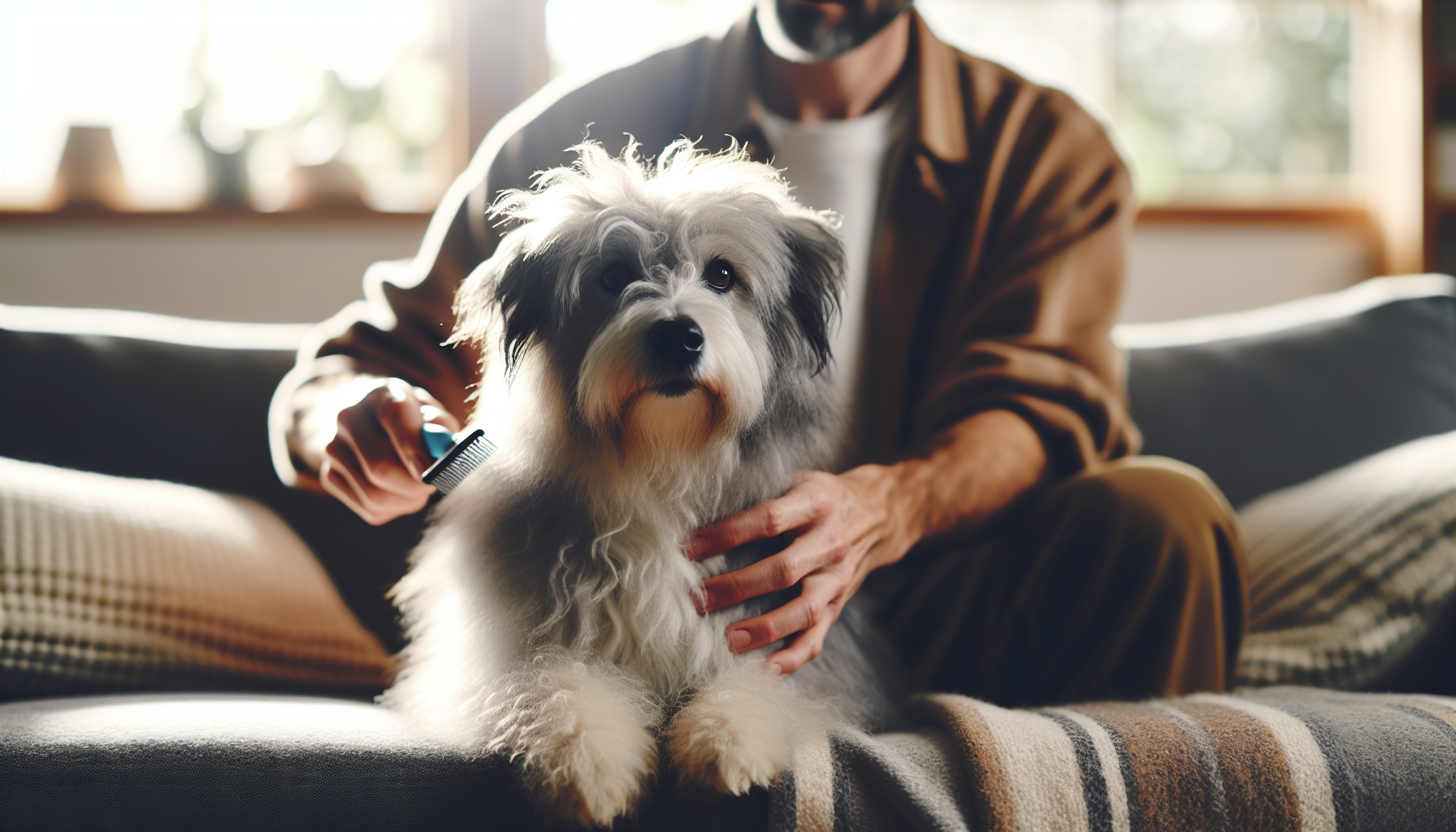
Dry, flaky skin on your dog is frustrating, especially when it doesn’t seem to go away no matter what you try. You’ve switched shampoos. You’ve changed the food. You’ve added coconut oil to their bowl (we see you). And yet, every time you pet your dog, there’s still a snow flurry of flakes on the couch.
Here’s the thing: dry, flaky skin in dogs doesn’t always mean allergies. And even when allergies are involved, the type matters a lot for what you actually do next. This article is going to help you tell the difference, and figure out where to start.
Five Reasons Your Dog’s Skin Might Be Dry and Flaky
1. Allergies (Food or Environmental)
Allergies are the most talked-about cause of skin problems in dogs, and for good reason. Both food allergies and environmental allergies (atopy) can cause dry, flaky skin as part of a broader inflammatory response. But they’re usually not just dry skin. Allergic dogs typically also have:
- Persistent, significant itching (not just occasional scratching)
- Redness, ear infections, or recurring skin infections
- Licking or chewing at paws, belly, or armpits
- Gastrointestinal symptoms if food is involved (loose stools, gas)
If flaking is happening alongside intense, ongoing itch, allergies are on the short list.
2. Seborrhea
Seborrhea is a disorder of the skin’s keratinization process, essentially, the skin cells are turning over abnormally, causing either excessive oiliness, excessive dryness, or both. There are two types:
- Primary seborrhea: A genetic condition certain breeds are predisposed to (Cocker Spaniels, Basset Hounds, West Highland Terriers, Labradors, and German Shepherds are among the most commonly affected). Usually shows up early in life and doesn’t fully go away, it’s managed, not cured.
- Secondary seborrhea: Much more common. Caused by an underlying issue, allergies, hypothyroidism, fungal or bacterial infection, nutritional deficiency, or even parasites. Treat the underlying cause, and the seborrhea often resolves.
Signs include flaking, greasy or waxy coat, musty odor, and sometimes redness or irritation.
3. Overbathing
If you’re bathing your dog every week (or more) with a regular shampoo, you may be washing away the natural oils that protect their skin. The result: dry, flaky, itchy skin that has nothing to do with allergies.
How to tell: Does the flaking get worse in the days after a bath? Does your dog’s coat look dull or feel rough? If yes, try cutting bath frequency to every 3-4 weeks and switching to a gentle, moisturizing, fragrance-free shampoo. You may see improvement within a few weeks.
4. Diet and Nutritional Deficiency
A dull, dry, flaky coat is one of the first signs a dog’s diet isn’t giving them what their skin needs. The key nutrients are omega-3 and omega-6 fatty acids, which support the skin’s lipid barrier. Zinc and vitamins A and D also play a role.
How to tell: Is the food old, cheap, or stored improperly (oxidizing the fats)? Has the flaking been present since you got this dog or switched this food? Did anything else change, treats, food brand, water source?
5. Hypothyroidism
An underactive thyroid gland affects a lot of body systems, including the skin and coat. Hypothyroid dogs often have dry, flaky, brittle coats, but they also tend to show other signs: weight gain despite normal eating, lethargy, cold intolerance, slow heart rate, and symmetrical hair loss (often on the trunk, tail, and face).
This one requires a blood test to diagnose, but it’s worth mentioning to your vet if your dog has a cluster of these symptoms, especially if they’re a middle-aged to older dog.
How to Tell Them Apart at Home
You’re not going to diagnose your dog yourself, but you can gather a lot of useful information before your vet visit. Ask yourself:
Question What it suggests Is the flaking accompanied by intense, constant itching? Allergies, secondary infection, or seborrhea Is the itching minimal or mostly absent? Overbathing, diet, or primary seborrhea Is flaking worse at certain times of year (spring, fall)? Environmental/seasonal allergy Is flaking year-round and consistent? Food allergy, seborrhea, diet issue, or hypothyroidism Are there also ear infections, paw licking, or stomach issues? Points strongly toward allergy Does your dog also seem tired, gaining weight, or losing hair symmetrically? Possible hypothyroidism, needs bloodwork Did you recently start bathing more often or change shampoo? Overbathing or product reaction
What You Can Safely Do at Home
✅ Add omega-3 fatty acids
Fish oil (specifically EPA and DHA) has strong evidence behind it for supporting the skin barrier and reducing inflammation. It’s safe for most dogs and can be found as a liquid or capsule supplement. Ask your vet about the right dose for your dog’s weight. Don’t expect overnight results, skin health takes weeks to change, but the difference over 4-8 weeks is often noticeable.
✅ Reduce bathing frequency
Unless your vet has recommended a medicated bathing protocol, most dogs do best with a bath every 3-4 weeks. Use a gentle, fragrance-free, moisturizing shampoo. Rinse thoroughly, residue from shampoo left on the skin is a common, overlooked cause of irritation.
✅ Switch to a high-quality, complete-and-balanced food
If your dog’s food doesn’t meet AAFCO nutritional standards, or if you’re feeding a lot of table scraps or homemade food without proper formulation, skin issues can follow. Look for a food where the first ingredient is a named protein source and the label says “complete and balanced for all life stages” or “for adult maintenance.”
✅ Check your environment
Dry winters, forced-air heat, and low humidity are rough on dog skin. A humidifier in the rooms where your dog spends the most time can genuinely help during colder months.
✅ Brush regularly
Brushing distributes natural skin oils through the coat, removes loose skin cells, and improves circulation. It’s free, takes five minutes, and your dog gets to feel the love.
🚨 Time to see the vet if:
- Dry skin is accompanied by intense itching, recurring infections, or hair loss
- The skin looks red, irritated, crusty, or there are signs of secondary infection
- Your dog seems lethargic, is gaining weight, or showing other systemic symptoms
- Flaking persists despite trying home adjustments for 3-4 weeks
- Your dog is young and has had skin and coat problems since puppyhood
- You’ve already tried multiple shampoos and diets without improvement
One Thing Worth Saying Clearly
Dry flaky skin is not always an allergy. And it’s definitely not always a food allergy. We say this because a lot of owners go straight to an expensive specialized diet, sometimes without a true food trial, sometimes switching to grain-free (which isn’t the relevant variable), and are disappointed when it doesn’t help.
The most common food allergens in dogs are animal proteins: beef, dairy, and chicken. Not grains. And diagnosing a food allergy properly means a strict 8-12 week elimination trial with a novel or hydrolyzed protein diet, not just switching brands.
If your dog’s skin issue is seborrhea, overbathing, low humidity, or diet deficiency, a food trial won’t help. This is why getting a vet’s perspective early, even just a phone call, can save you months of guesswork.
Keep Going in the Series
This is Article 3 of our Helping Itchy Dogs series. If allergies are starting to look like the culprit, the next article is exactly what you need:
- Article 1: Dog allergies and itchy skin: overview, home help, and when to call your vet
- Article 2: Hot spots in dogs: first-aid at home and warning signs that need a vet
- Article 4: Food allergy or environmental allergy? The signs owners mix up (April 23)
- Article 5: Beyond steroid shots, home support and vet-approved options to discuss (April 26)
Figuring this out for your dog takes patience. But you’re asking the right questions, and that’s exactly what a good bestie does. 🐾
The information in this article is for educational purposes and does not replace veterinary advice. If your dog’s skin condition is worsening or not improving, please consult your veterinarian.