← Back to Start Here: New Dog Journey
Choosing the “right dog” isn’t about a perfect breed, it’s about matching a real dog’s needs to your real life. When the match is good, training is easier, stress is lower, and your dog settles faster.
Key takeaways
- Match energy + alone-time + size/strength to your daily routine first.
- Temperament matters more than labels. Meet-and-greets are helpful, but they’re only a snapshot.
- A calm home needs a dog with an “off switch” (ability to relax), not just a cute face.
- If you’re unsure, choose the easier dog, you can always level up later.
Start with your real life (60-second fit check)
Answer quickly and honestly. This is the foundation for a good match.
- Daily time: how much can you commit on weekdays (walks + training + enrichment)?
- Alone time: how long will your dog be alone most days?
- Activity level: do you want a hiking buddy or a couch buddy?
- Space + noise: apartment vs. house, thin walls, neighbors, stairs?
- Strength: can you physically handle a strong dog on a leash?
- Grooming: are you okay with shedding, brushing, or professional grooming?
- Household: kids, cats, senior dogs, frequent visitors?
Build your “Dog Fit Profile” (your must-haves)
Write these down before you start browsing dogs. It prevents impulse decisions.
1) Energy level (most important)
- Low energy: enjoys short walks + naps; best for calmer households, busy schedules, first-time owners.
- Medium energy: daily walk(s) + play + enrichment; best for most homes with consistent routine.
- High energy: needs structured exercise + training + jobs; best for experienced owners with time and outlets.
Energy reality check
If you can’t reliably give a high-energy dog daily outlets, don’t “hope it works out.” Choose a lower-energy dog and everyone wins.
2) Size + strength
- Small dogs: easier to lift, often easier in apartments, but still need training and routine.
- Medium dogs: a flexible “sweet spot” for many families.
- Large/strong dogs: can be wonderful, but you need leash skills, space planning, and physical control.
3) Temperament traits to prioritize
These traits usually matter more than breed guesses:
- Ability to relax: can the dog settle after activity?
- Sociability: friendly, selective, or anxious around people/dogs?
- Handling tolerance: okay with collar touches, paws, harnessing?
- Food/toy behavior: eager but calm, or intense/guardy?
- Startle recovery: if surprised, do they recover quickly?
4) Age (puppy vs. adult)
- Puppies: adorable + time-intensive. Expect frequent potty breaks, teething, and constant supervision.
- Adult dogs: often more predictable energy and temperament; many are already house-trained or close.
- Seniors: can be amazing companions, often calmer with lower exercise needs, but may have medical costs.
5) Coat + grooming
- Low maintenance: short coat, simple brushing.
- Higher maintenance: long/double coats, matting risk, seasonal shedding, or regular grooming.
How shelter behavior can differ from home behavior
Dogs can look “too calm” in a shelter (shutdown) or “too wild” (stress). A meet-and-greet is helpful, but it isn’t the full story.
Expectation setting
Many newly adopted dogs need time to decompress and show their true personality. You’ll hear guidelines like the “3-3-3 rule” (first days, weeks, months). It’s not a guarantee, just a reminder to be patient and go slow.
Questions to ask a shelter/rescue/foster (copy this list)
- How does the dog behave in the kennel vs. on walks vs. in a quiet room?
- How do they do with handling: harnessing, paws, ears, brushing?
- Any signs of separation distress when left alone?
- Any known triggers: men, kids, loud noises, other dogs, resource guarding?
- How are they with other dogs? Cats? Kids?
- What’s the dog’s daily routine right now (sleep, meals, potty schedule)?
- Medical needs: vaccines, spay/neuter status, chronic issues, medications?
Meet-and-greet checklist (10 minutes)
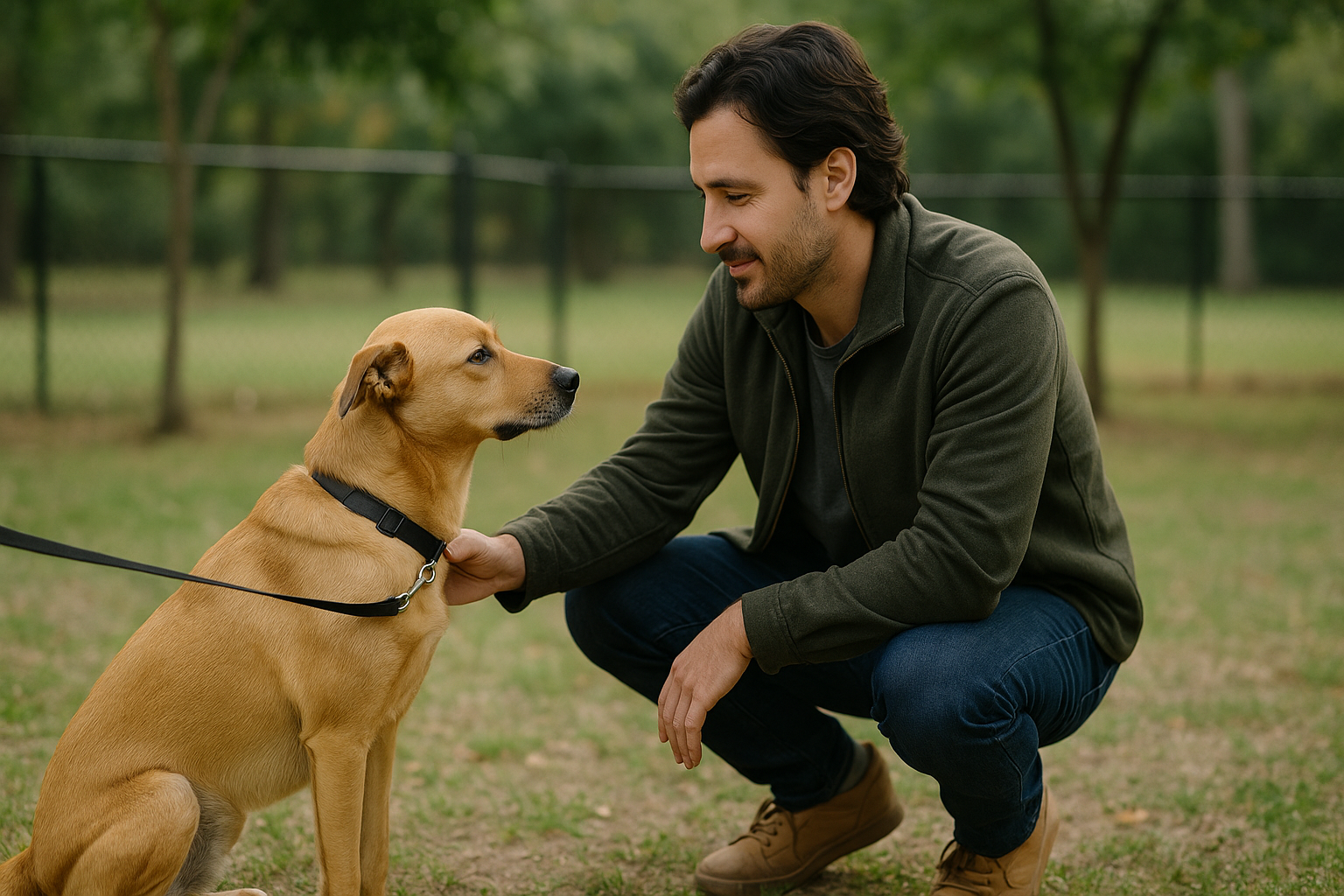
- Approach: does the dog choose to come over or avoid contact?
- Body language: soft face, loose body, able to disengage and re-engage.
- Recovery: if startled (noise, movement), do they recover quickly?
- Treat response: takes treats gently, can focus on you.
- Handling test (gentle): collar touch, harness touch, brief paw touch (stop if uncomfortable).
- Leash moment: can they walk without constant lunging/panic?
Common “fit” scenarios (quick guidance)
- Apartment + long workdays: prioritize lower/medium energy + calm temperament + a real mid-day plan.
- First-time dog owner: prioritize “easy adult dog” with an off switch.
- Kids at home: prioritize calm handling tolerance + lower mouthiness + predictable behavior.
- Cat household: prioritize proven cat-safe (or foster-tested) + low prey drive indicators.
- Very active lifestyle: choose medium/high energy, but only if you can provide structure daily, not just weekends.
Your decision worksheet
Must-haves (3): ____________________________________
Nice-to-haves (3): ____________________________________
Dealbreakers (3): ____________________________________
Tip: If you can’t name dealbreakers, you’re at risk of impulse adopting.
Gear to consider
Don’t buy everything today, this is just what tends to matter for success.
Secure harness + leash: for safe meet-and-greets and first walks.
Training treats and treat pouch: reward calm behavior and focus.
Baby gate / playpen: helps you manage space while the dog decompresses.
Enzyme cleaner: accidents happen early, this saves your floors and your sanity.
Next step
Step 3: Prep Your Home (room-by-room setup + safety).
Last reviewed: January 2026