← Back to Start Here: New Dog Journey
A meet-and-greet is not about finding a “perfect dog.” It’s about gathering useful information and checking for major fit issues. Shelter behavior can be very different from home behavior, so treat this as a snapshot, then plan for a decompression period once your dog comes home.
Key takeaways
- Go slow: calm, low-pressure interactions give you the most accurate read.
- Ask specific questions about behavior in different contexts (kennel vs. walk vs. quiet room).
- Look for recoverability: can the dog settle after excitement or stress?
- One “yellow flag” isn’t a dealbreaker. Patterns and intensity matter.
Before you meet the dog (quick prep)
- Know your non-negotiables: kids/cats/dogs compatibility, size/strength, alone-time needs.
- Bring high-value treats: small, soft, easy-to-eat (if allowed).
- Wear practical clothes: closed-toe shoes and something you don’t mind getting muddy.
- Keep the group small: fewer people = less stress and a clearer read.
- Ask about equipment: confirm the rescue/shelter will use a secure leash/harness for the meeting.
Meet-and-greet rule
Calm first, excitement later. A dog who starts calm is easier to evaluate. Big hype can mask stress signals.
Questions to ask (copy/paste this list)
- How does the dog behave in the kennel vs. on walks vs. in a quiet room?
- Any known triggers (men, kids, loud noises, other dogs, handling, food/toys)?
- How do they handle being touched: harnessing, paws, ears, brushing?
- How do they do when left alone (any barking, destruction, panic)?
- How are they with other dogs (play style, reactivity, resource issues)?
- How are they with cats (proven cat-tested, unknown, or not recommended)?
- Are there any bite history notes or serious incident reports?
- What’s their current routine (sleep, potty schedule, meals, exercise)?
- Medical: vaccines, spay/neuter status, medications, allergies, chronic issues?
- What’s the adoption support plan (trial period, return policy, training resources)?
Meet-and-greet flow (use this order)
Phase 1: Observe from a distance (30-60 seconds)
- Is the dog able to notice you without exploding or shutting down?
- Body language: loose body, soft face, neutral tail, able to sniff the ground.
- Can the dog disengage and re-engage, or are they locked on?
Phase 2: Neutral approach (low pressure)
- Turn slightly sideways and avoid leaning over the dog.
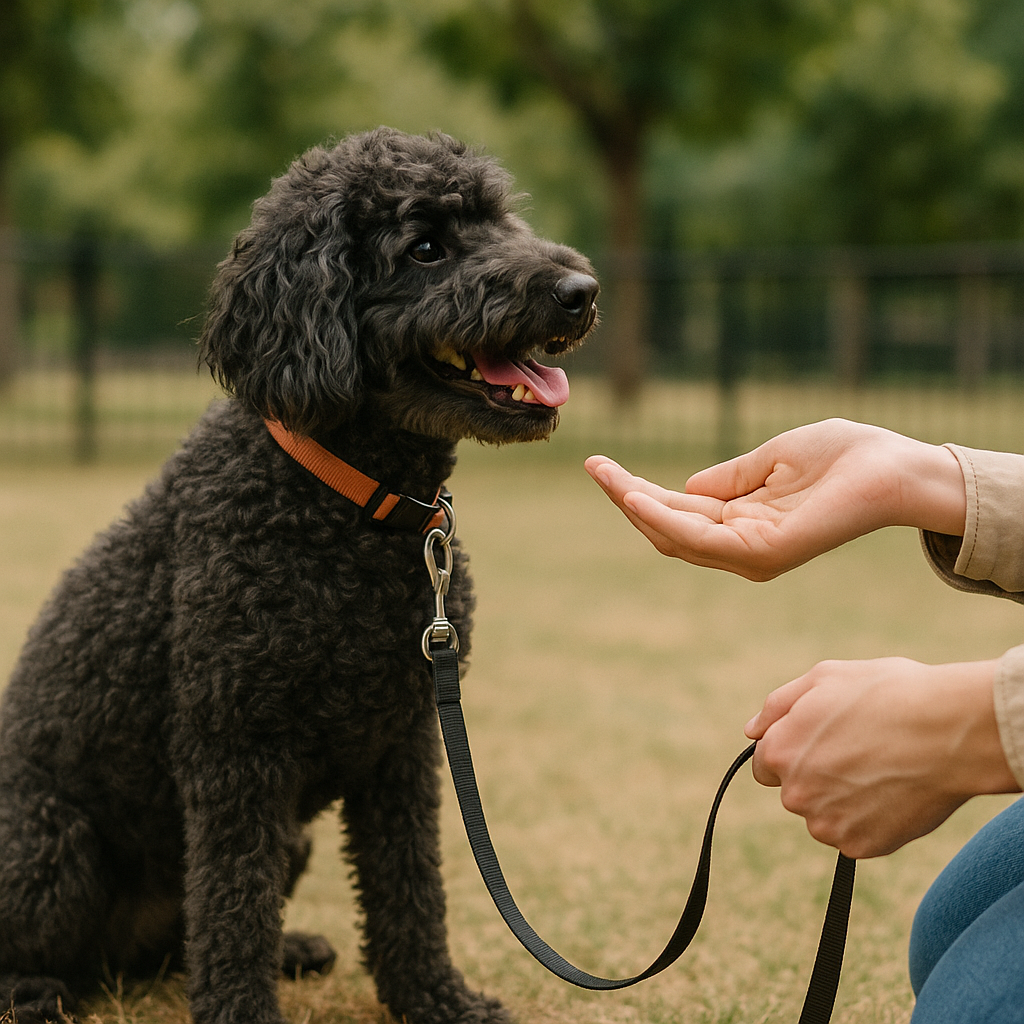
- Offer a treat toss on the ground (if allowed) rather than immediate hand contact.
- Let the dog choose to approach; reward calm curiosity.
Phase 3: Short walk (if possible)
- Walk parallel with space at first; let the dog sniff and decompress.
- Check: can they follow a person, take treats, and recover after surprises?
- Some pulling is normal. Panic or relentless lunging is more concerning.
Phase 4: Gentle handling check (only if the dog is comfortable)
- Light collar/harness touch, brief shoulder touch, then stop.
- Watch for stiffening, freezing, growling, hard stare, or repeated avoidance.
- If the dog says “no, ” respect it, don’t escalate.
Phase 5: Settle moment
- After a few minutes, pause and see if the dog can calm down.
- Dogs with an “off switch” (ability to settle) are often easier fits for most homes.
Green flags, yellow flags, red flags (quick guide)
Green flags (good signs)
- Loose body, soft eyes, able to sniff and explore
- Takes treats gently (or becomes more comfortable with time)
- Recovers after small surprises (noise/movement)
- Can disengage from triggers and re-focus
Yellow flags (often workable, context matters)
- Pulling on leash (common in shelters)
- Jumping or mouthiness from excitement (can be trained)
- Barking in kennel but calmer outside
- Nervous at first but warms up with space and treats
True red flags (pause and get expert guidance)
- Repeated growling/snapping with minimal warning during normal interaction
- Stiff posture + hard stare + inability to disengage
- Panic behavior (thrashing, self-injury attempts, extreme escape behaviors)
- Resource guarding that escalates quickly (food/toys/space) without ability to recover
- Multiple serious incidents documented by the organization
This doesn’t mean “never.” It means you need a clear support plan, the right environment, and often professional help.
If you have kids (keep it safe and calm)
- Ask kids to ignore the dog at first (no running, yelling, hugging).
- Let the dog approach; reward calm behavior.
- If the dog is mouthy/jumpy, choose an adult dog with calmer handling tolerance.
If you have another dog
- Do a parallel walk first with space (not face-to-face greetings).
- Short sniff, then separate. Repeat. Keep it brief and positive.
- Avoid high-arousal play on the first meeting.
Decision tip: don’t rush
- If you feel pressured, slow down. A responsible organization will respect questions.
- Ask what support is available after adoption (training resources, return policy).
- Plan for decompression at home; your dog may behave differently once settled.
Gear to consider
- Treat pouch + training treats: makes meet-and-greets and early training easier.
- Secure harness + leash: safer early walks and transitions.
- Long line (10-20 ft): safe exploration and recall practice (outdoors only).
- Baby gate / playpen: helps you manage decompression and introductions at home.
- Enzyme cleaner: accidents happen early, this prevents repeat marking.
Next step
Step 7: Bringing Your Dog Home (First 24 Hours Plan).
Last reviewed: January 2026