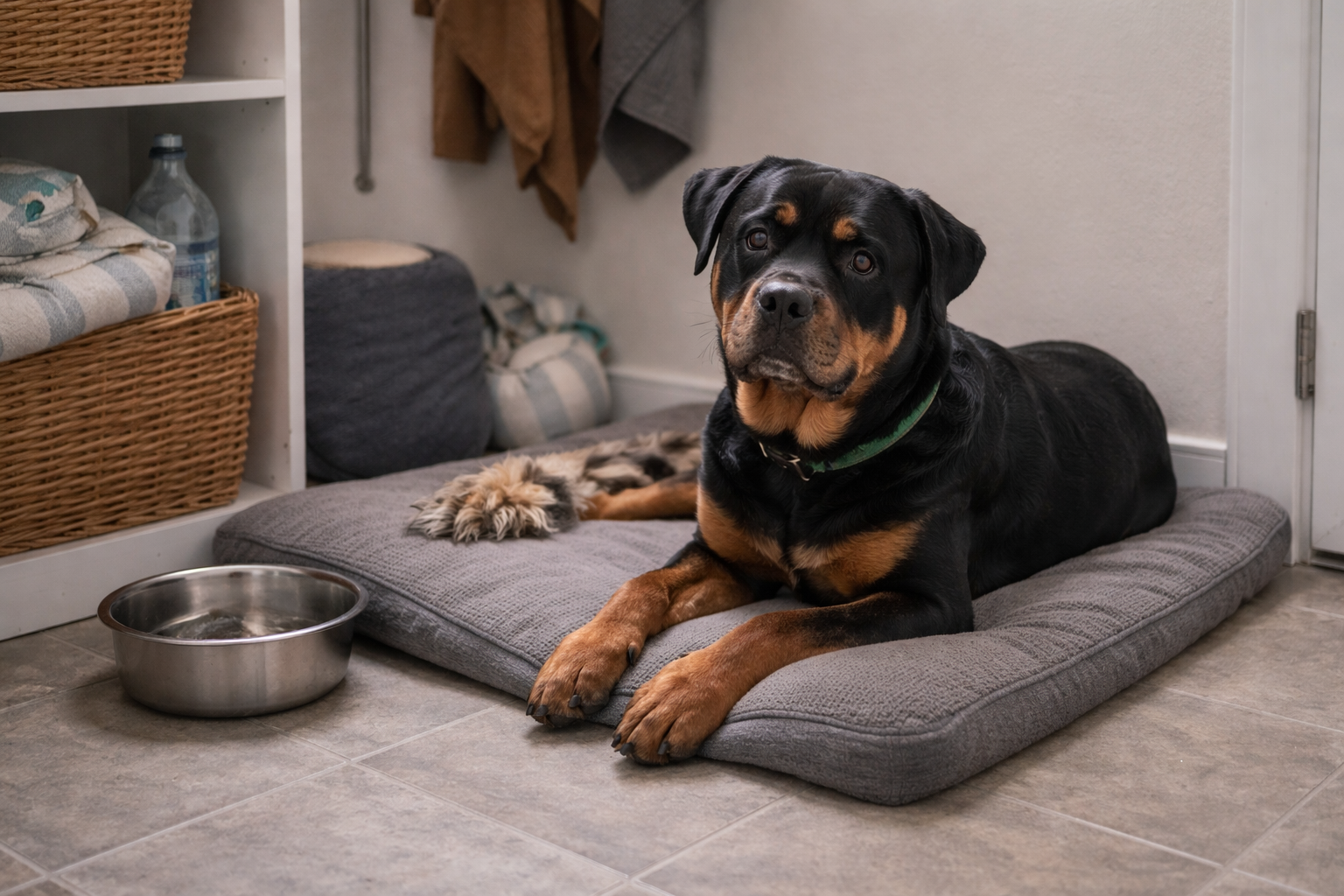
You found a dog, you’ve cared for them, you’ve tried to find the owner. But after all this time and effort, you realize you can’t keep them. Maybe it’s finances, maybe it’s space, maybe it’s a family situation, or maybe it’s just that this dog needs more than you can give. It’s heartbreaking, but it’s also the honest, responsible thing to recognize.
The key now is making sure the dog finds a good home, not just any home. Here’s how to rehome responsibly.
Step 1: Be Honest About the Dog’s Needs
Understanding the dog’s temperament and needs is crucial for finding the right home. Document:
- Behavior around other dogs, cats, and children
- Any health issues or medical needs
- Anxiety triggers or behavioral challenges
- Positive traits and what they enjoy
- Training level or house training status
Be completely honest. If the dog has resource guarding issues, say it. If they’re anxious with kids, say it. This helps match the dog with a home where they’ll thrive, not fail.
Step 2: Work With a Rescue or Shelter
This is your best option. Reputable rescues and shelters:
- Have resources and experience in rehoming
- Can assess the dog’s temperament thoroughly
- Have networks to find the right match
- Provide post-adoption support to the new family
- Can take the dog back if it doesn’t work out
Contact breed-specific rescues (if you know the breed) or general shelters in your area. Many will take in a found dog.
Step 3: If You Rehome Privately (Not Recommended, But Possible)
If you insist on finding a private home rather than using a shelter/rescue, do this carefully:
Screen potential adopters thoroughly:
- Why do they want a dog?
- Do they have other pets? Kids?
- What’s their living situation? (house, apartment, yard?)
- Have they owned dogs before? How did that go?
- Can they handle any behavioral or medical issues the dog has?
- Are they willing to return the dog if it doesn’t work out?
Get references: Ask for a vet reference or previous pet ownership references. Call them.
Do a home visit: Visit the home where the dog will live. Make sure it’s safe, fenced if needed, and appropriate for the dog’s needs.
Require a contract: Have a written agreement that if the dog doesn’t work out, the adopter returns them to you (or to a rescue) rather than dumping them or taking them to a shelter.
Ask for a donation: Don’t give the dog away for free. A small adoption fee (even $50-100) ensures the adopter takes the responsibility seriously.
Step 4: Don’t Hand Over the Dog to Just Anyone
This is crucial. You’ve cared for this dog. They deserve better than going to someone who doesn’t properly appreciate them. A few red flags:
- They want the dog “right now” without asking questions
- They don’t ask about the dog’s personality or needs
- They seem interested only if the dog is “free”
- They can’t answer basic questions about dog care
- Your gut tells you something is off
Trust your instincts. If you feel uncomfortable, keep looking.
Step 5: Prepare the Dog for Their New Home
Help the transition go smoothly:
- Write down the dog’s routine (feeding schedule, exercise, quirks)
- Provide any medical records you have
- If possible, send them with something that smells like your home (a blanket, toy)
- Introduce the dog to the new family in a calm, neutral location if possible
- Give the new family your contact info in case they have questions
Step 6: Follow Up
After the dog goes to their new home, follow up within a week. Ask how they’re settling in. Offer support and advice. This shows the adopters that you care, and it gives you peace of mind that the dog is safe.
The Hardest Part: Letting Go
This will hurt. You’ve bonded with this dog. You’ve cared for them, and now you’re saying goodbye. That’s real grief, and it’s valid. But remember: you found a dog who was in trouble, you kept them safe, and now you’re finding them a home. You’ve done something truly good.
Key Takeaways
- Be honest about the dog’s needs and behavior
- Work with a rescue or shelter if possible, they’re the best option
- If you rehome privately, screen adopters thoroughly
- Do a home visit and require a contract
- Never hand the dog over to someone you don’t trust
- Prepare the dog and the new family for success
- Follow up to ensure the dog is thriving
- It’s okay to feel sad, you’ve done something good
At SnoutHub, we believe found dogs deserve homes where they’ll thrive. Sometimes that means letting go with confidence. A dog is a bestie.