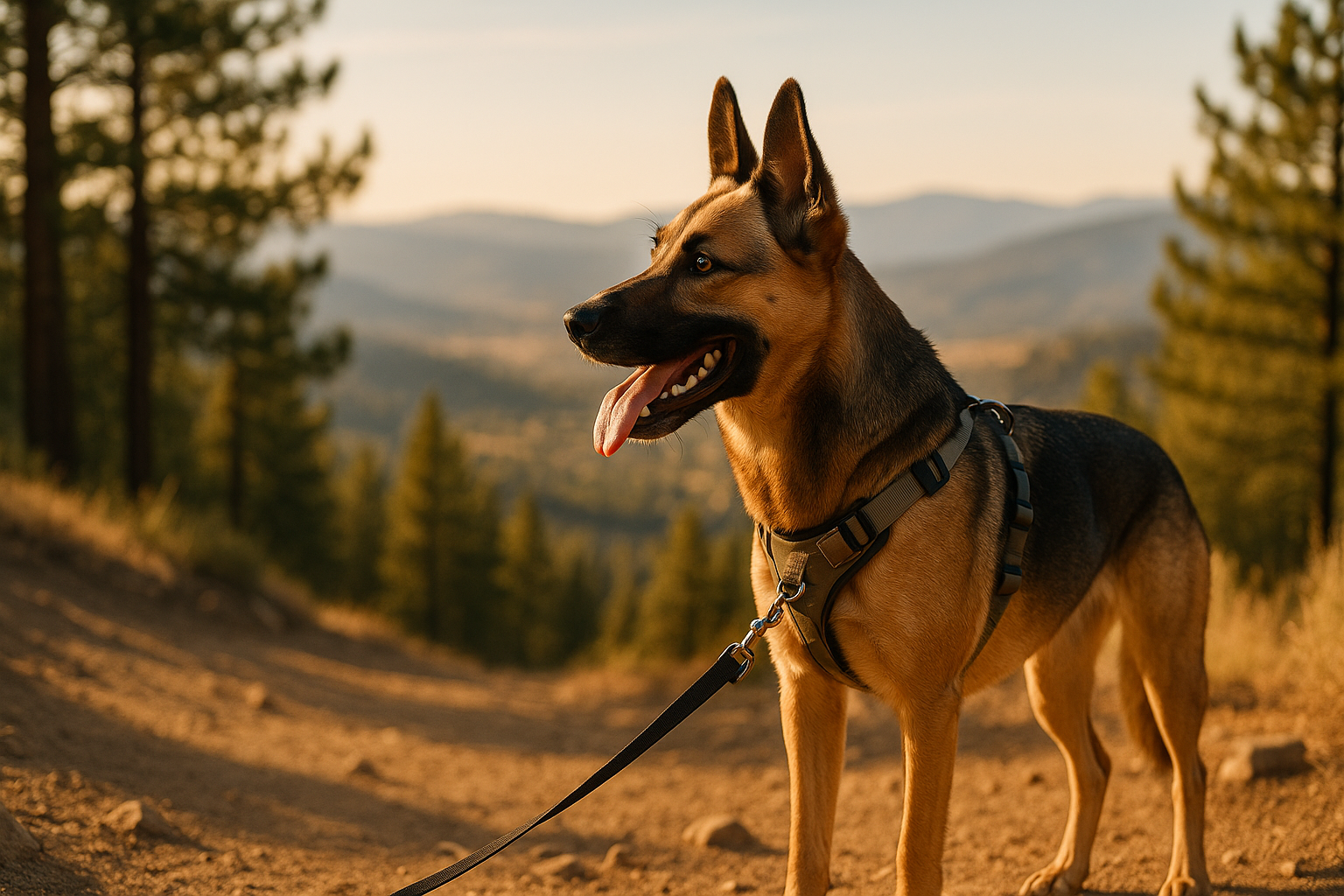
There is almost nothing better than watching your best friend trot down a trail, nose working, tail high, absolutely thrilled to be alive next to you. Hiking is one of the great gifts you can give a dog, and it gives you back tenfold in wagging, muddy joy. But the trail is not the backyard, and a happy hike is a prepared hike. Here is your trail-ready checklist, Besties, so you and your pup can go far and come home tired in the very best way.
Before You Go: Know Your Dog and the Trail
Not every dog is ready for every trail, and that is okay. Match the hike to the dog in front of you. A young, athletic shepherd-mix can eat up miles, while a senior pup, a puppy with growing joints, or a flat-faced breed like a Bulldog or Pug needs shorter, cooler, gentler outings.
Do a quick honest check first:
- Is your dog current on flea, tick, and heartworm prevention? Talk to your vet before hitting the trail.
- Does your dog have a reliable recall and walk politely on leash? A solid "come," "sit," and "stay" keeps everyone safe.
- Is the trail dog-friendly? Many parks, especially national parks, restrict dogs. Check the rules before you drive out.
Start small. A couple of easy trails build fitness and confidence before you tackle anything long or steep.
The Trail-Ready Pack: What to Bring
Pack for your dog the way you pack for yourself. Here is the core kit:
- Water, and more than you think. Dogs cannot sweat to cool down. They rely on panting, which means they lose moisture fast and overheat easily. Bring plenty of fresh water and a collapsible travel bowl, and offer it often. Do not let your dog drink from puddles, ponds, or streams, which can carry parasites like Giardia and harmful bacteria.
- A sturdy 6-foot leash and a well-fitted harness. A short leash gives you real control around wildlife, other hikers, and steep edges. Retractable leashes are a poor fit for trails.
- Collar with current ID tags. A microchip is your backup if a collar slips off. Make sure your contact info is up to date.
- Waste bags. Pack it in, pack it out. Every single time.
- A pet first-aid kit. Include gauze, self-cling bandage wrap, tweezers or a tick remover, antiseptic wipes, and any medication your dog takes.
- Paw protection. Rough rock, hot sand, ice, and sharp gravel are hard on paw pads. Dog booties help on tough terrain, and a paw balm soothes afterward.
- Snacks. High-value treats reward good trail manners and keep energy up on longer outings.
Watch the Weather and the Ground
Heat is the number one danger on the trail, and it sneaks up fast. Hike in the cool of early morning or evening, and skip the trail entirely on hot, humid days. Remember the pavement and rock test: press the back of your hand to the surface for seven seconds. If it is too hot for your hand, it is too hot for paws.
Take shade breaks, offer water at every stop, and never push a tired dog. On cold-weather hikes, watch for ice between toes and consider a coat for short-haired or small dogs.
Trail Manners Make Everyone Welcome
Every well-behaved dog on a trail keeps trails open for all of us. Keep your pup leashed, yield to other hikers, step aside for horses, and give wildlife a wide berth. Advocacy is not just big campaigns, it is the small daily choices that show the world dogs belong out here with us.
After the Hike: The Once-Over
Back at the car or at home, run your hands over your dog's whole body. Check between the toes and pads, inside the ears, the belly, and the armpits for:
- Ticks, which love to hide in warm, hidden spots
- Burrs, foxtails, and grass seeds that can burrow into skin
- Cuts, cracked pads, or limping
Remove ticks promptly and safely, and offer water and a rest. A little post-hike care prevents a lot of trouble later.
When to Call Your Vet
Heat stroke is a true medical emergency, and on the trail it can escalate within minutes. Get to shade and cool your dog with cool (not ice-cold) water on the head, belly, armpits, and paws, then call your vet or the nearest emergency clinic right away if you see:
- Heavy, frantic panting that will not slow down
- Bright red, pale, or bluish gums, or gums that feel dry or sticky
- Drooling, vomiting, or diarrhea
- Weakness, stumbling, disorientation, collapse, or seizures
A healthy dog's temperature runs about 101 to 102.5°F. At 104°F and above your dog is in dangerous territory, and 107 to 109°F can cause organ failure. Do not wait for every symptom to appear. When in doubt, make the call.
Also call your vet for a deep cut, a limp that does not resolve with rest, a snake or insect bite, or if your dog ate something questionable on the trail.
Get Out There, Bestie
The trail is where the bond gets stronger. Pack smart, watch the heat, keep those paws safe, and soak up every muddy, happy mile with your best friend. A dog is a bestie, and there is no better hiking partner in the world.
Ready to add a trail buddy to your pack? Visit snouthub.com to meet adoptable dogs near you and find a bestie who is dreaming of adventures too.
---
*This article is for general information and is not a substitute for professional veterinary advice. Always consult your veterinarian about your dog's specific health, fitness, and safety needs.*