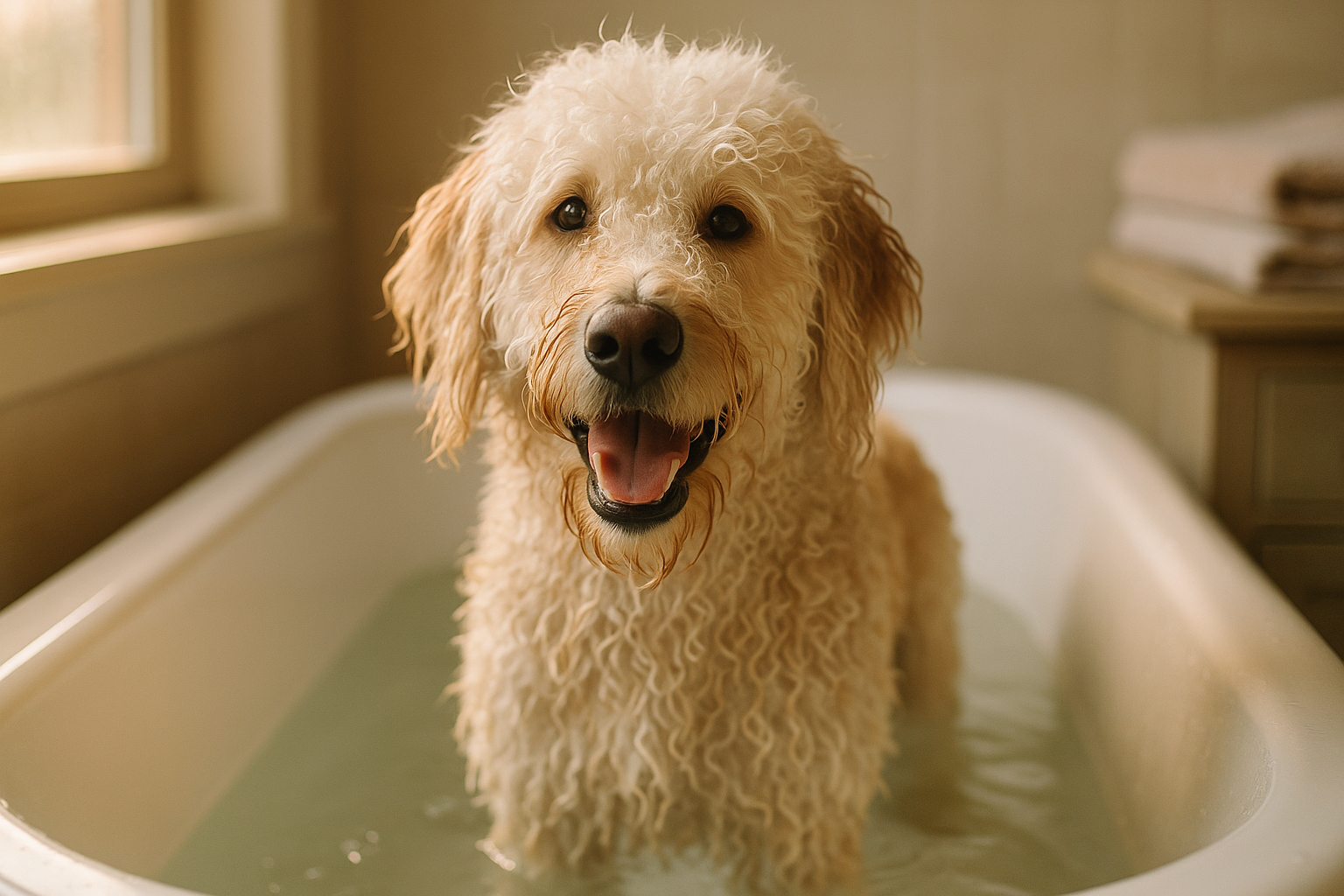
Let's settle one of the great dog-parent debates once and for all. You come home, your bestie greets you with the full-body wiggle, and then it hits you: that unmistakable, warm, corn-chip-and-adventure smell. Is it time for a bath? Or did you just give one last week?
Here's the good news, Besties. There is no single magic number that works for every dog. Bathing frequency depends on your dog's coat, their skin, how much mud they roll in, and whether they have any health conditions. Below is a practical, vet-informed guide to help you find the right rhythm for your own pup. Because a clean dog is a happy dog, and a dog is a bestie.
The Short Answer
Most healthy dogs do just fine with a bath somewhere between once a month and once every three months. The guiding principle from veterinarians is simple: bathe as infrequently as you reasonably can while keeping your dog clean and comfortable.
Why so relaxed? Because a dog's skin and coat are coated in natural oils that keep the skin healthy and the fur soft and water-resistant. Over-bathing strips those oils away, which can leave your dog with dry, flaky, itchy skin. More baths is not automatically better. Often, less is more.
That said, "once a month to once every three months" is a starting point, not a rule. Let's break it down by what actually matters.
It Depends on the Coat
Your dog's coat type is the biggest factor in how often bath time should roll around.
- Short, smooth coats (think Beagles, Weimaraners, many mixed-breed pups): These dogs shed dirt easily and usually need bathing less often. A good brush and the occasional bath keep them looking sharp.
- Water-repellent and double coats (Golden Retrievers, Labs, Huskies, Malamutes): These coats rely heavily on natural oils. Bathe them less frequently and brush them a lot instead. Double-coated dogs especially benefit from a big seasonal bath in spring and fall when they blow their undercoat.
- Oily coats (Basset Hounds are the classic example): Some oily-skinned breeds can actually need a bath as often as once a week to manage odor and buildup.
- Curly and non-shedding coats (Poodles, Doodles, Bichons): These pups typically get bathed and groomed about every six to eight weeks, often as part of a full grooming appointment, because their hair keeps growing and traps dirt.
If you have a mixed-breed bestie, look at the coat you actually have in front of you rather than guessing at breed percentages.
It Depends on the Lifestyle
A couch-loving senior and a trail-running mud magnet do not need the same bath schedule.
Ask yourself how much time your dog spends outside and what they get up to out there. A dog who swims in ponds, digs in the yard, or rolls in things you would rather not name will need more frequent baths than a mostly-indoor pup. Skunk encounters, beach days, and muddy hikes are all "yes, bathe now" moments regardless of the calendar.
For everyday freshness between baths, brushing is your best friend. Regular brushing removes loose hair, dead skin, and dirt, and it spreads those healthy natural oils through the coat. For dogs with long or curly hair, near-daily brushing prevents painful mats. A quick wipe-down with a damp cloth or a dog-safe grooming wipe can also buy you time between full baths.
It Depends on Skin and Health
Some dogs need a bath schedule set by their veterinarian, not by you.
Dogs with allergies, skin infections, or conditions like seborrhea may be prescribed medicated baths on a specific schedule. In those cases, follow your vet's instructions exactly, even if it means bathing more often than you normally would. The medicated shampoo is doing a job, and the timing matters. On the flip side, a dog with very dry or sensitive skin may need baths spaced further apart.
When in doubt about a skin issue, ask your vet before you reach for any new shampoo.
Always Use Dog Shampoo
This one is non-negotiable, Besties. Never use human shampoo on your dog, and yes, that includes baby shampoo.
Human skin and dog skin have different pH levels, and human products can be too harsh, leaving your dog's skin dry, irritated, and itchy. Reach for a shampoo made specifically for dogs. Look for gentle, soap-free, or oatmeal-based formulas for normal or itchy skin, and use medicated shampoos only when your vet recommends them. A fragrance-free, hypoallergenic option is a safe bet for sensitive pups.
Simple Bath-Time Tips
A few things that make the whole experience better for both of you:
- Brush before the bath. Wet mats tighten and become much harder to remove.
- Use lukewarm water. Too hot or too cold is uncomfortable and can irritate skin.
- Rinse thoroughly. Leftover shampoo residue is a common cause of post-bath itching.
- Protect the ears and eyes. Keep water and suds out, and dry ears gently afterward.
- Dry well. Damp fur, especially in double coats and skin folds, can lead to irritation or hot spots.
- End on a happy note. Treats and praise turn bath time into bonding time.
When to Call Your Vet
Bathing is usually a simple home routine, but reach out to your veterinarian if you notice any of these:
- Persistent itching, scratching, or biting at the skin even after baths
- Red, inflamed, greasy, or flaky skin, or a strong odor that returns quickly after washing
- Bald patches, scabs, sores, or hot spots
- Frequent ear infections or a bad smell from the ears
- You feel you have to bathe your dog very often just to control odor or oiliness
- Any reaction after a bath, such as new redness, hives, or increased scratching
These can be signs of allergies, infections, parasites, or other skin conditions that need real treatment, not just a bath.
The Bottom Line
For most dogs, a bath every four to twelve weeks, paired with regular brushing and the right dog-specific shampoo, keeps them clean, comfortable, and sweet-smelling without stripping their skin. Watch your own dog, adjust for their coat and adventures, and loop in your vet when something seems off.
Your bestie does not care about the calendar. They just want to feel good and be near you. Keep them healthy, keep them close, and remember: a dog is a bestie.
---
*This article is for general educational purposes and is not a substitute for professional veterinary advice. Always consult your veterinarian about your dog's specific skin, coat, and bathing needs.*
Ready to meet a bestie of your own? Visit snouthub.com to discover adoptable dogs near you and everything you need to keep them happy.