Summer is the best season to be a dog. Long evenings, open trails, tailgates, and lake days. It is also the season that sends the most dogs to the emergency vet, and almost all of it is preventable. Your dog cannot tell you the sidewalk is scorching or that they are overheating until it is serious, so a few simple habits make all the difference. Here is how to keep your bestie cool, safe, and having the summer of their life.
Do the pavement test before every walk
Your dog walks barefoot, and pavement gets far hotter than the air. When it is just 86°F outside, asphalt can reach 135°F, hot enough to cause burns and blisters on paw pads. That is why the time of day matters more than the temperature on your phone.
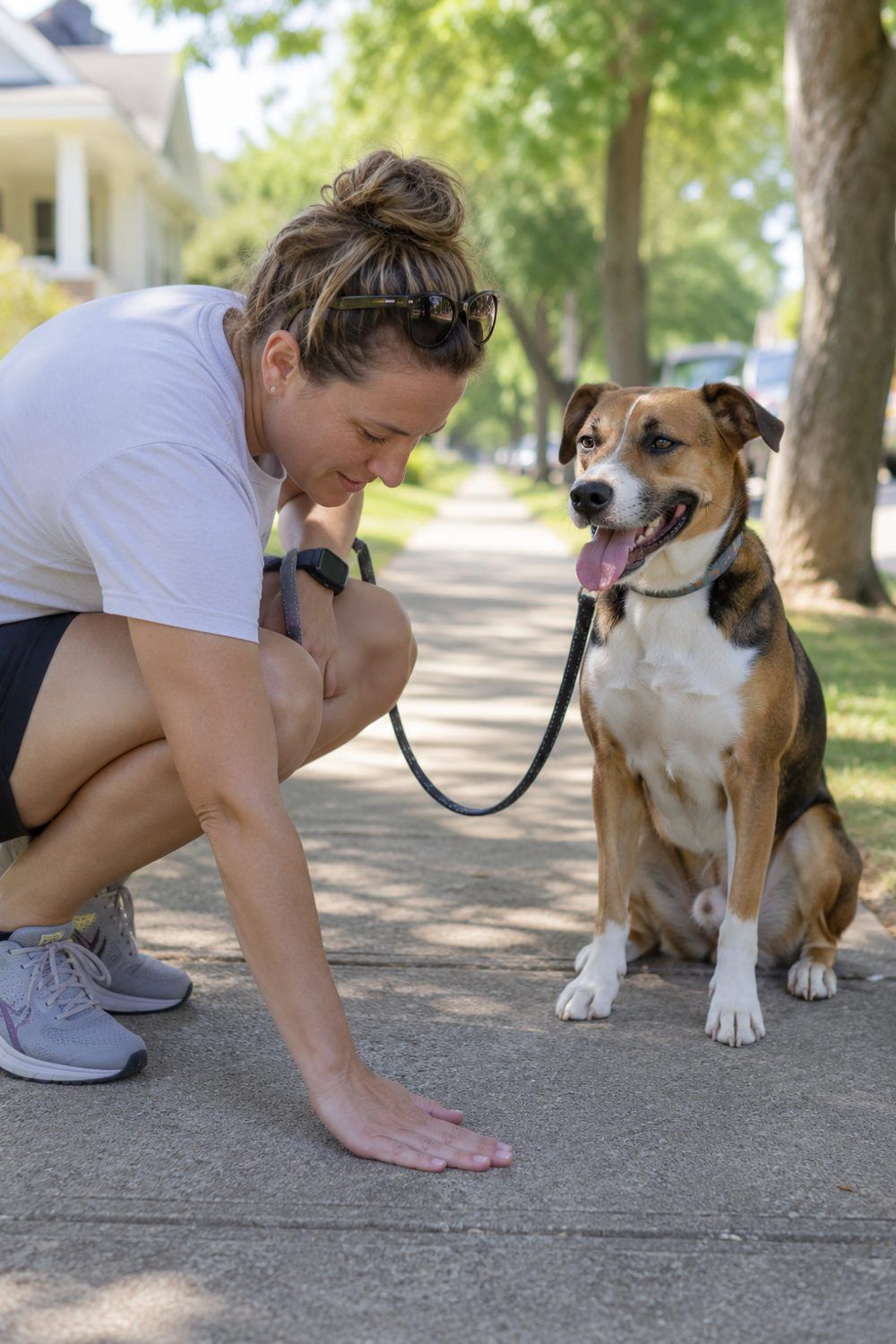
The test takes seven seconds and costs nothing. Press the back of your hand flat against the pavement and hold it there. If you cannot keep it there comfortably for about seven to ten seconds, it is too hot for your dog. As Dr. Jerry Klein of the American Kennel Club puts it, “If it’s too hot for your hand, it’s too hot for your dog’s paws.”
A few easy fixes: walk in the early morning or the evening when surfaces have cooled, stick to grass and shade instead of blacktop, and watch for signs of burned pads such as limping, licking or chewing at the feet, or pads that look red or darker than usual.
Know the warning signs of heatstroke
A healthy dog’s normal temperature is 99 to 102.5°F. Once it climbs past 104°F your dog is in heat stress, and above roughly 106°F is a life-threatening emergency. Dogs cool themselves mostly by panting, which is far less efficient than sweating, so they overheat faster than we do.
Learn these early signs so you can act before it becomes critical:
- Heavy, frantic panting and fast breathing
- Excessive drooling
- Bright red gums and tongue
- Skin that feels hot to the touch
- Restlessness, then weakness
Severe signs mean call your vet immediately: pale or bluish gums, stumbling or collapse, vomiting, or loss of consciousness.
Some dogs are at much higher risk and need extra care in the heat: flat-faced (brachycephalic) breeds like Bulldogs, Pugs, and Boxers, along with puppies, senior dogs, overweight dogs, and any dog with heart or breathing conditions.
If your dog overheats, cool them the right way
Move your dog to shade or air conditioning right away, then spray or sponge them with cool, not ice-cold, water, focusing on the belly, armpits, and paws. Point a fan at them to help the water evaporate, and offer small sips of room-temperature water if they are alert. Do not use ice-cold water or ice baths, which can constrict blood vessels and actually trap heat, causing shock. Cooling is first aid, not a cure, so head to your veterinarian even if your dog seems to bounce back.
Never leave your dog in the car. Not for a minute
This one is simple and it saves lives. Never leave a pet in a parked car, even in the shade or with the windows cracked. Cars overheat quickly to deadly temperatures even when the weather is not severe, and heatstroke can set in within minutes. If you cannot bring your dog inside with you, leave them home where it is cool.
Keep water and cooling close at hand
Dehydration sneaks up fast on hot days. Bring more water than you think you need on every outing, offer it often, and pack a collapsible or travel bowl so there is no excuse to skip it. At home, a frozen enrichment toy does double duty: it cools your dog down and keeps their busy brain happy on days that are too hot to walk. Our FreezBone Freezball is made to be filled and frozen for exactly this.
Protect the parts that take the most sun
Two spots get overlooked all summer:
Paws. Beyond avoiding hot pavement, keeping the pads conditioned helps prevent the cracking and dryness that rough summer surfaces cause. A little balm goes a long way. For dogs who hike, run, or spend real time on hot trails, breathable boots are the surest protection.
Noses. Sun-exposed noses can dry out, crack, and even sunburn, especially on dogs with pink or light-colored snoots. A protective butter keeps them soft and shielded.
Featured for summer: The Blissful Dog Paw Butter
If you buy one thing for your dog this summer, make it paw protection. The Blissful Dog Paw Butter ($12.99) soothes and conditions rough, dry pads so hot sidewalks and rocky trails do not leave them cracked and sore. Pair it with The Blissful Dog Nose Butter for sun-exposed snoots and the Healers Urban Walkers dog boots for serious trail days.
A portion of every purchase at SnoutHub goes right back to dogs. We send products straight to rescues, and we are banking a share of every sale toward launching our nonprofit and a founding gift to a dog in need. When you take care of your dog, you help take care of a dog who is still looking for their person.
Meet a bestie who would love a cool summer home
Summer is also peak season in shelters, and a lot of wonderful dogs are waiting out the heat in a kennel instead of a shady backyard. Meet adoptable dogs near you at snouthub.com/dogs, real dogs with real photos, city by city. Your next hiking buddy, lake dog, or evening-walk companion might be a few clicks away.
Get the free New Dog Starter Guide
Want the short version you can keep on your phone? Grab our free New Dog Starter Guide for the checklists and seasonal tips that make life with a dog easier, sent straight to your inbox. Get the guide.
A dog is a bestie, and a little planning is how we keep our besties safe when the heat rolls in. Do the pavement test, watch for the warning signs, keep water close, and never leave them in the car. Do that, and this can be the best summer your dog has ever had.
Sources
- American Kennel Club, “How to Protect Dog Paws From Hot Pavement.” akc.org
- American Kennel Club, “Heatstroke in Dogs: Signs, Symptoms, Treatments.” akc.org
- American Veterinary Medical Association, “Warm weather pet safety.” avma.org
This article is for general information and is not a substitute for advice from your veterinarian. If you think your dog is overheating or injured, contact your vet or an emergency animal hospital right away.