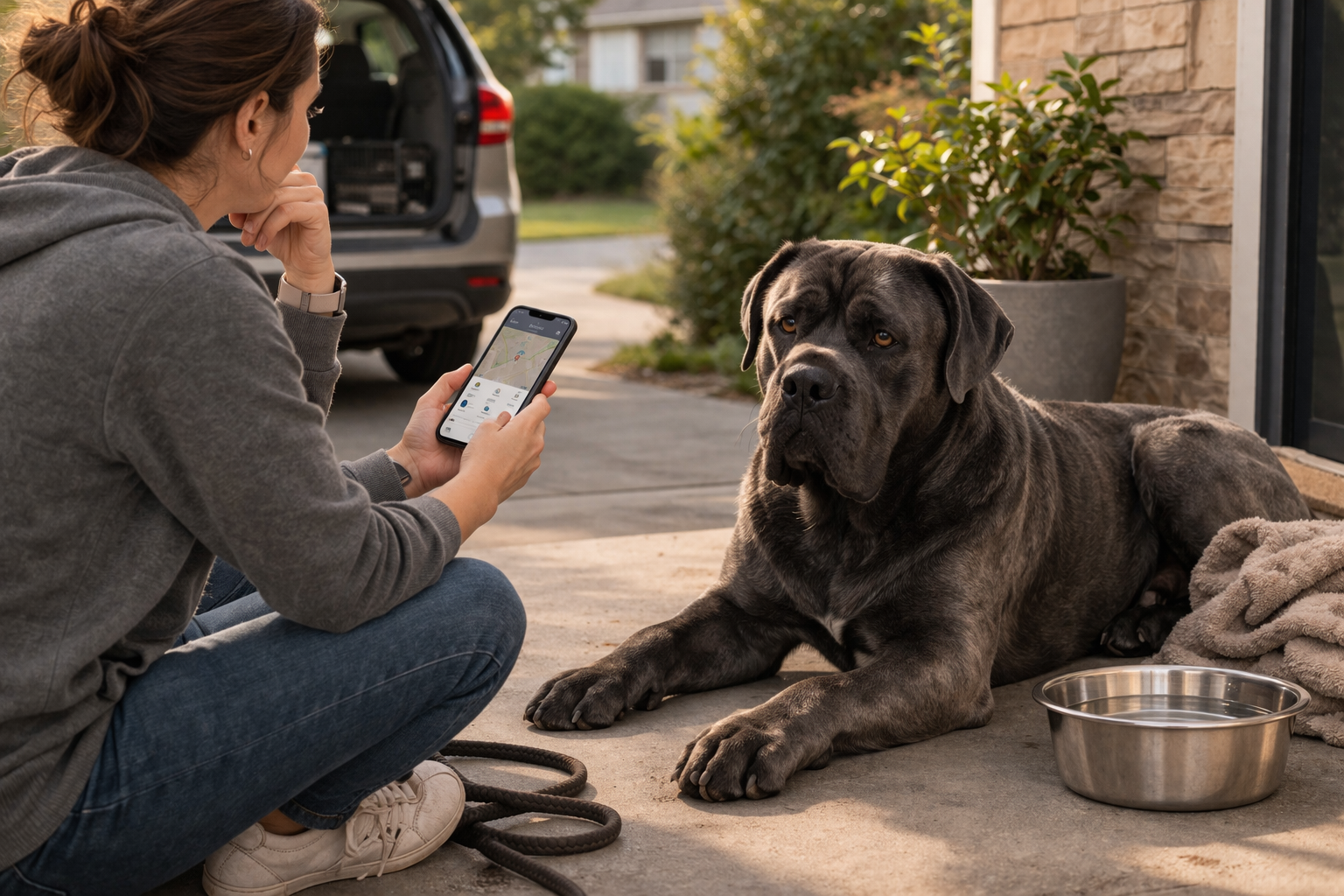
You’ve found a dog, and they’re clearly hurt. Blood, limping, visible injury. Your heart breaks for them, and your mind races: Where do I take them? Do I call 911? Do I go straight to the vet? Can I even afford emergency vet care for a dog I don’t know? What’s the right move?
An injured found dog is an emergency, and time matters. But you have options, and not all of them require you to pay thousands of dollars out of pocket. Here’s how to navigate this situation.
Step 1: Get Them to Safety
First, secure the dog safely. Use the same approach as with any loose dog: calm, slow movements, don’t chase, approach from the side. If the dog is in immediate danger (on a busy road, in traffic), move them to a safe location. Be careful of your own safety, an injured dog might be scared and defensive.
If the dog is severely injured or in critical condition (unable to move, unconscious, severe bleeding), call 911 or your local emergency animal control. They have the training and equipment to safely transport a severely injured dog.
Step 2: Assess the Injury
Once the dog is safe, take a moment to assess. Is the injury superficial (minor cut or scrape) or serious (deep wounds, obvious fracture, difficulty breathing)? This will guide your next decision.
Minor injury (small cut, mild limp): You have time to figure out your next steps. Contact animal control or a rescue to get the dog scanned for a microchip and into the system.
Serious injury (deep wounds, inability to stand, severe bleeding, labored breathing): This is an emergency. The dog needs immediate veterinary care.
Step 3: Who to Call First
For ANY found dog (injured or not): Call your local animal control or a nearby rescue first. Explain the situation. If the dog is injured, tell them. Many animal control agencies and rescues have protocols and resources for injured dogs. They can:
- Send an officer to help transport the dog safely
- Take the dog to a vet (often they have partnerships with local clinics)
- Get the dog scanned for a microchip right away
- Document the dog and start the process of finding the owner or arranging care
- Cover the cost of emergency vet care (in many jurisdictions)
This is important: many animal control agencies and shelters have emergency vet funds or partnerships with local vets specifically for found dogs. You don’t necessarily have to pay for emergency care yourself.
Step 4: Emergency Vet Care
If you’ve already secured the dog and animal control is unavailable or won’t respond quickly, and the dog is seriously injured, take them to an emergency vet clinic immediately. Call ahead if you can so they’re ready.
When you arrive, tell them:
- This is a found dog
- The dog was not scanned for a microchip yet (unless they were)
- You don’t know the owner
- You cannot afford the full bill (if that’s true)
Many emergency vets will provide emergency stabilization care for found dogs, especially if you contact animal control to document that the dog was found. The cost might be covered by the county or by the rescue that takes over the case.
Step 5: Microchip Scan
Once the dog is at a vet (whether emergency or not), get them scanned for a microchip immediately. If the dog is microchipped and registered, the owner can be found, and the owner might be responsible for the vet bill. This is important for both the dog and for your financial responsibility.
Step 6: Post and Document
Even while the dog is at the vet, document their appearance, the date and location where you found them, and the injury. Post on local lost dog groups on Facebook and Nextdoor. Include a photo if you have one. The owner might be searching frantically.
Step 7: Follow-Up Care
Once the dog is stabilized, the responsibility usually passes to animal control, a shelter, or a rescue organization. They’ll arrange ongoing care, house the dog while the owner is being sought, and handle the recovery or rehoming process. You’ve done your part by getting them emergency care.
If You’re Worried About Cost
Many animal control agencies and shelters have emergency funds specifically for situations like this. Be upfront about your financial limitations. Ask if the vet clinic has a program for found dogs. Many have financial hardship programs or community grants. Some rescue organizations also have emergency funds for injured animals in their jurisdiction.
Key Takeaways
- For any injured found dog, call animal control or rescue first, they have resources and protocols
- Get the dog to a vet immediately if the injury is serious
- Get a microchip scan ASAP to identify the owner
- Document the dog’s appearance, injury, and location
- Post on lost dog groups immediately
- Many agencies have emergency funds, don’t hesitate to ask
- Once stabilized, the responsibility usually passes to professionals
At SnoutHub, we believe injured dogs deserve swift, compassionate care. A dog is a bestie.