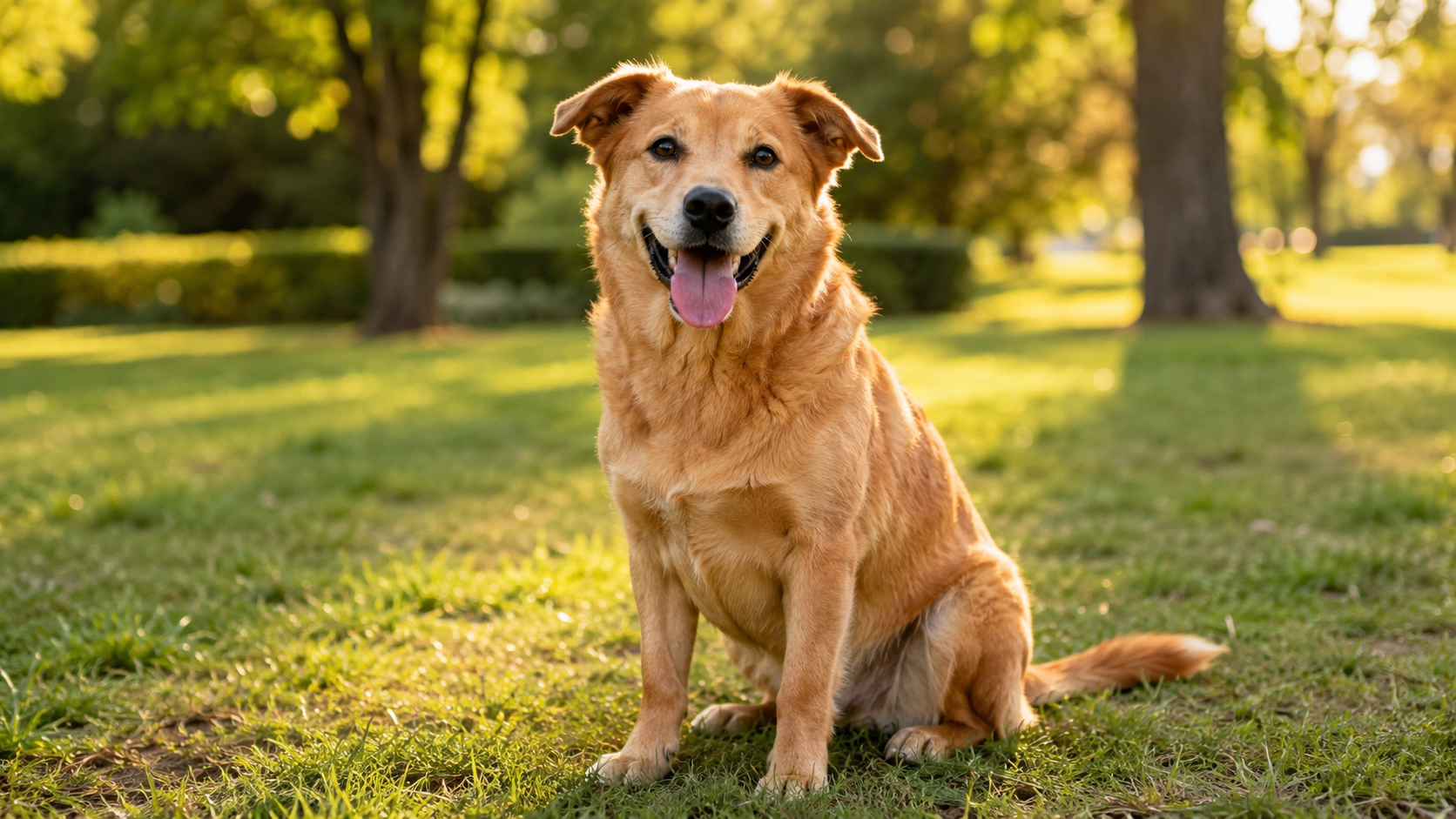
Every dog parent has watched their bestie flop down after a game of fetch, tongue out, chest going like a little engine, and thought nothing of it. Panting is one of the most normal things a dog does. It is literally how they keep cool. But every so often the panting looks different, heavier, out of nowhere, at 2am for no reason, and that is your dog trying to tell you something.
Here is how to read your dog's panting like a pro, so you know when to relax and when to pick up the phone.
The normal, happy reasons dogs pant
Dogs do not sweat the way we do. A little through their paw pads, but mostly they cool themselves by panting, moving air fast over a wet tongue to carry heat away. A comfortable dog breathes around 10 to 40 times a minute, but a panting dog can hit several hundred breaths a minute, and that is completely normal in the right moment.
You will see healthy, happy panting when your dog is:
- Warm or fresh off a walk in the sun
- Excited (hello, you are home!) or playing hard
- A little nervous about something short-lived, like a car ride
- Winding down after zoomies
The tell: normal panting settles down within a few minutes of rest, water, and shade. If it does, your bestie is just being a dog.
When panting is a red flag
Panting becomes a reason to pay attention when it does not match the moment. Ask yourself: is my dog panting hard when it is cool and calm, and they have not exercised? Is the panting heavier, louder, or more frantic than usual?
Call your vet if the panting comes with any of these:
- It starts suddenly and will not settle, with no heat or activity to explain it
- Gums that look pale, blue, purple, or brick red
- Drooling more than usual, wobbliness, or collapse
- Belly heaving, stretched-out neck, or clear effort to breathe
- Whining, restlessness, or signs of pain
- Any suspicion your dog ate something toxic
Trust your gut here. You know your dog's normal better than anyone, and "this is not like them" is a completely valid reason to check in.
Heatstroke: the summer emergency
This is the one to burn into memory, especially in the warm months. Heatstroke can set in within minutes, particularly in a hot car, on a humid day, or during midday exercise. A dog's body runs warmer than ours, normally about 101 to 102.5 degrees, and once it climbs past about 105.8 degrees, real damage starts.
Early warning signs of heatstroke include heavy, frantic panting, drooling, bright red gums and tongue, a fast heart rate, skin that feels hot, and trouble balancing. As it worsens you may see pale or bluish gums, tremors, vomiting, or collapse.
If you suspect heatstroke, act fast:
- Get your dog into shade or air conditioning right away.
- Wet them with cool or tepid water, never ice water, and aim for the belly, armpits, and paws.
- Point a fan at them to help the water evaporate.
- Offer room-temperature water if they are alert.
- Head to the vet immediately, and keep cooling on the way.
One thing to never do: do not use ice or ice-cold water. It can tighten the blood vessels and send your dog into shock, which makes things worse. Cool and steady wins.
Dogs most at risk include puppies and seniors, overweight dogs, flat-faced breeds like pugs and bulldogs, and any dog with a heart, thyroid, or airway condition.
Other reasons behind the panting
When heat and exercise are ruled out, persistent panting can point to something medical worth a vet's eyes:
- Pain, from an injury, arthritis, surgery, or a sore belly
- Anxiety or fear, including separation anxiety and storm or firework stress
- Cushing's disease, a hormone condition that also brings more drinking, more peeing, and a pot belly
- Heart or lung disease, where the body is working harder for oxygen
- Anemia, a low red blood cell count that leaves the body starved for oxygen
- Laryngeal paralysis, common in older Labs and Goldens, and brachycephalic syndrome in short-nosed breeds
None of these are for you to diagnose at home, and that is okay. Your job is to notice the change. Your vet's job is to find the why.
Help your bestie beat the heat
A lot of everyday panting is just your dog running warm, and a few small things make a big difference: fresh water always within reach, shade and AC on hot days, walks moved to early morning or evening, and never a dog left in a parked car.
If you want to make summer easier on your pup, our shop has cooling mats, collapsible travel water bowls, and cooling bandanas built for exactly this. Every order helps fund our rescue partners at SOSHub and Minutes to Midnight, so your dog stays cool and another dog gets closer to home.
A dog is a bestie. Take care of your bestie's normal, and you will always catch it fast when something changes.
SnoutHub shares researched, dog-loving info, not veterinary advice. If your dog's panting worries you, please call your vet or an emergency clinic. You know your bestie best.