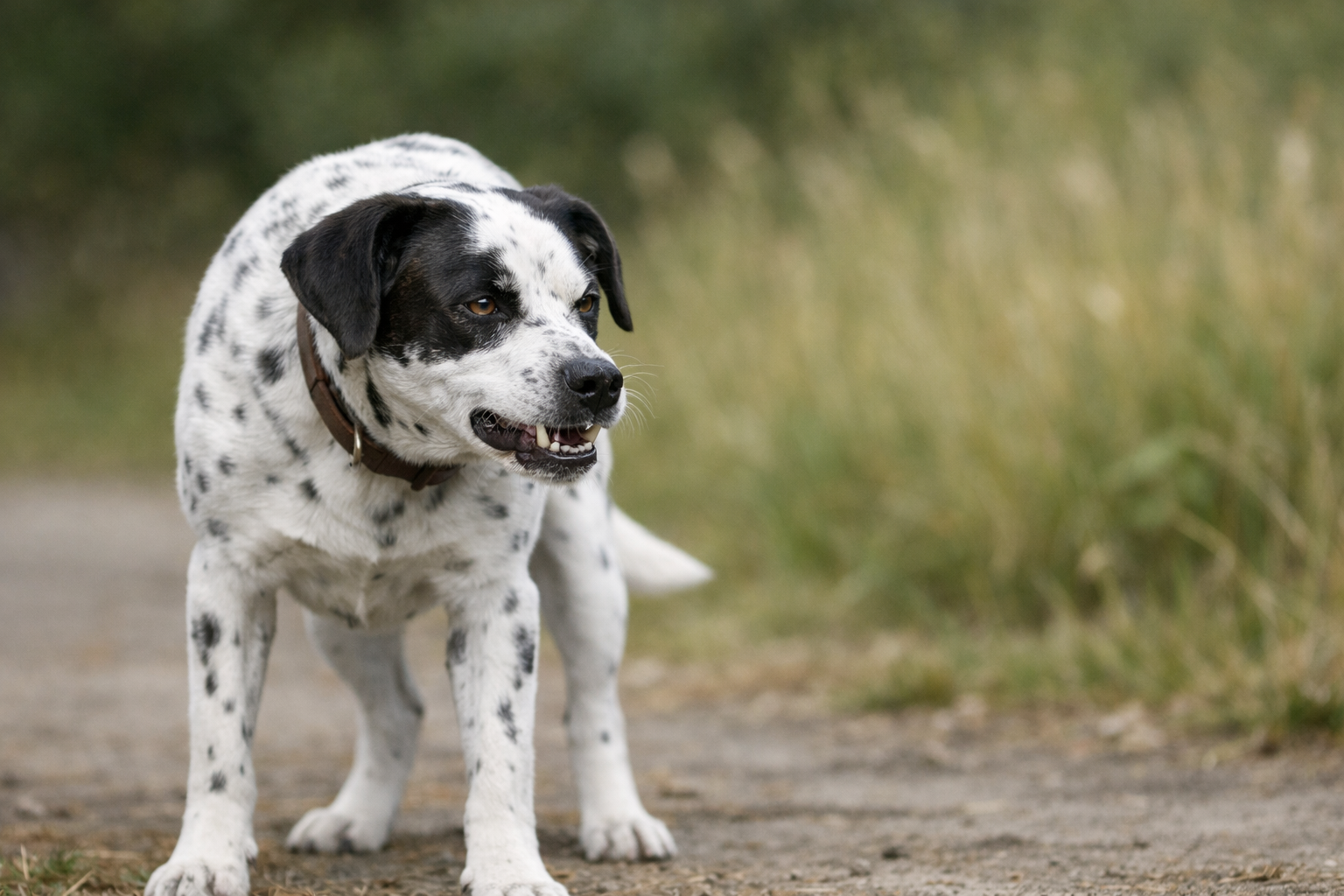
Your dog growls during playtime with another dog, or at a toy, or when you’re petting them. Your first instinct? “Stop that growling!” But wait. Growling in dogs isn’t always a sign of aggression. In fact, punishing your dog for growling might be the worst thing you can do.
Growling is communication. It’s your dog’s polite way of saying, “I’m uncomfortable, back off,” before they escalate to snapping or biting. When you punish growling, you’re teaching your dog that their warning system doesn’t work. The next time they’re uncomfortable, they might skip the growl and go straight to a bite.
What Growling Really Means
Growling is one of the clearest forms of dog communication. It usually means:
- “I’m uncomfortable with this.”
- “Back away.”
- “I’m warning you.”
- “Don’t take my toy/food/space.”
Think of it as a boundary-setting tool. Your dog is saying, “This is far enough; please respect my space.” When you hear a growl, your dog is actually being polite. They’re warning you before things escalate.
Growling Is NOT Always Aggression
Here’s the misconception: growling = aggression. That’s not true. A growling dog is communicating, not necessarily attacking. The problem is when people hear growling and either panic or punish the dog, when what they should really do is listen and respect the boundary the dog is setting.
Growling during play: Dogs often growl during play with other dogs or during interactive games like tug-of-war. If the dog is loose-bodied, playful, and not actually biting, it’s play growling. This is normal and healthy.
Growling over resources: “That’s my toy/food/space” growling. It’s a boundary, not aggression necessarily, but a signal that the dog wants to keep their resource.
Growling from fear: A scared dog might growl as a warning: “Don’t come closer, or I’ll bite.” It’s fear-based, not dominance.
When Growling Matters Most
Pay attention to growling in these contexts:
- Resource guarding: If your dog growls when you approach their food bowl or a toy, they’re warning you. Respect that warning. Don’t punish it.
- With children: If a dog growls at a child, take it seriously. It’s a warning the child has crossed a boundary. Teach the child to respect the dog’s space, don’t punish the dog.
- With other dogs: If your dog growls at other dogs, it’s a sign they’re uncomfortable or need space. Separate them, and work on positive associations with other dogs.
- During handling: If a dog growls when you touch a specific area, they might be in pain. See a vet.
What NOT to Do When Your Dog Growls
Don’t punish the growl. Don’t yell “no,” don’t use an e-collar, don’t physically correct the dog. Punishing growling teaches your dog that warning you doesn’t work. The next time they’re uncomfortable, they’ll bite without warning.
Don’t ignore it completely. While you shouldn’t punish it, you should respect it. If your dog is growling, back away. Give them space.
Don’t force the situation. If your dog is growling in a situation (vet exam, child petting them, another dog nearby), don’t push through. Remove the stressor if possible.
What TO Do When Your Dog Growls
Step 1: Respect the boundary. The dog is telling you something is wrong. Back up. Give them space. Don’t escalate the situation.
Step 2: Identify the trigger. What caused the growl? Food? Fear? Pain? Understanding the trigger helps you prevent future incidents.
Step 3: Address the underlying issue. If it’s resource guarding, work with a trainer on desensitization and counterconditioning. If it’s pain-related, see a vet. If it’s fear-based, help your dog feel safe.
Step 4: Teach an alternative behavior. Once you understand the trigger, you can teach your dog a different way to communicate. Instead of growling when someone approaches their food bowl, they could walk to a mat and wait. Work with a trainer on this.
Play Growling vs. Serious Growling
Play growling: Loose body, play bow, tail wagging, doesn’t escalate to bites or stiff posturing. This is healthy.
Serious growling: Stiff body, whale eye, ears back, rigid tail, lip curl. The dog looks tense and uncomfortable. This is a warning.
Key Takeaways
- Growling is communication, not aggression
- A growling dog is being polite, warning before escalating
- Never punish growling; it removes your dog’s ability to warn you
- Respect growling by backing away and giving space
- Identify the trigger and address the underlying issue
- Play growling is normal; serious growling is a boundary signal
- Work with a trainer to teach alternative behaviors
At SnoutHub, we believe growling dogs are talking to us. Learn to listen. A dog is a bestie.