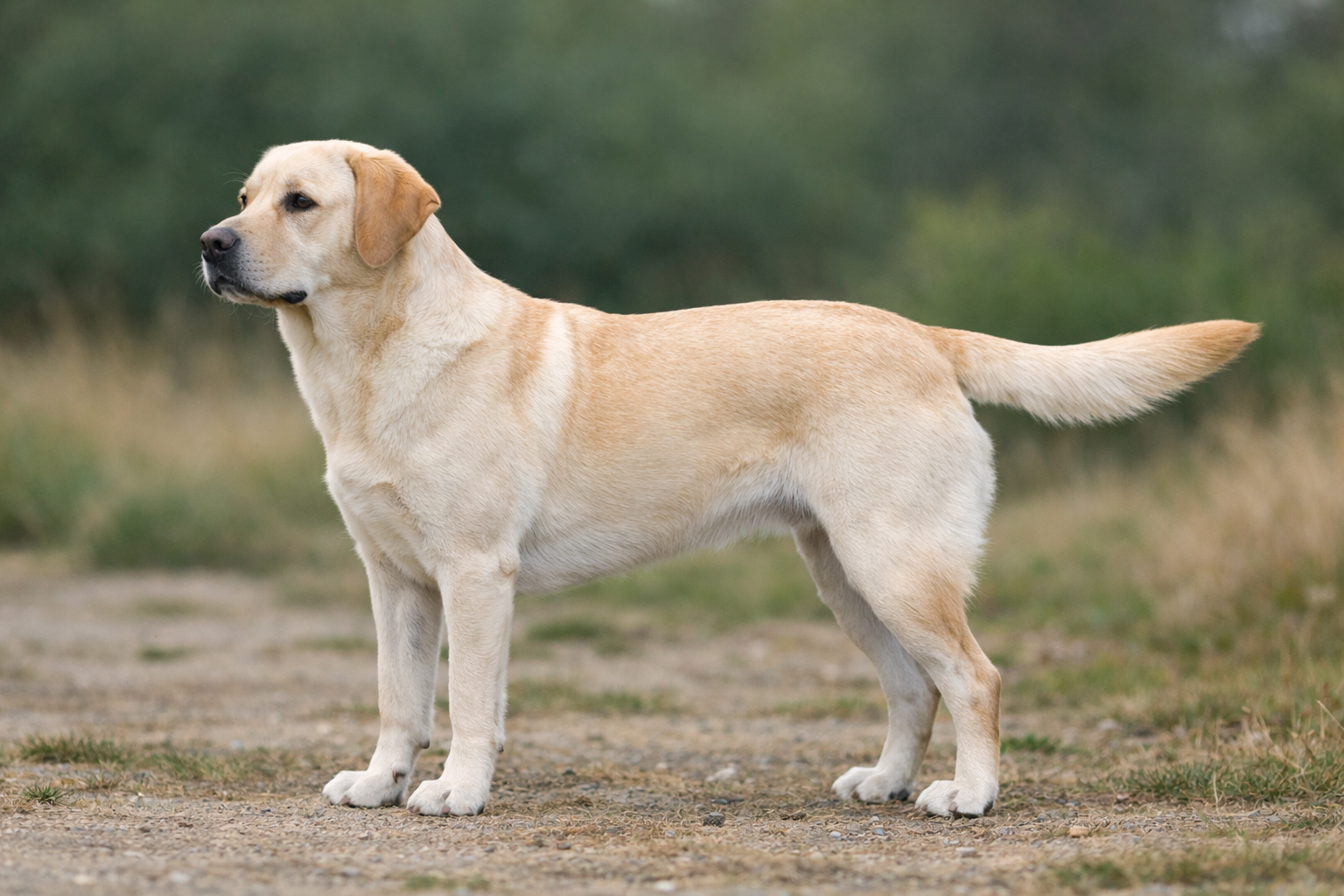
A dog’s tail is like their emotions on display. It wags, it tucks, it straightens, it curves. Most people know that a wagging tail means a happy dog, but the truth is more nuanced. A tail can tell you whether your dog is confident, anxious, playful, stressed, or afraid, if you know what to look for.
Tail Position and What It Means
High and Wagging: Confidence, happiness, engagement. A dog with their tail held high and moving is feeling good. They’re social, interested, and happy to be involved.
Neutral (Level With the Body): Calm, relaxed. A dog in a neutral emotional state holds their tail level with their spine. Not worried, not overly excited, just chill.
Lowered But Not Tucked: Uncertainty or mild stress. The tail is lower than neutral but not fully between the legs. Your dog is saying, “I’m not sure about this situation.”
Tucked Between the Legs: Fear, anxiety, or submission. A fully tucked tail means your dog is scared or feels overpowered. They’re trying to appear smaller and less threatening.
Stiff and High: Dominance, territoriality, or aggression. A dog with a stiff, high tail and a rigid body is showing confidence bordering on confrontation. This can be a warning sign.
Wagging But Low: Uncertainty mixed with interest. Your dog is interested but cautious. They might be greeting someone they’re not entirely sure about.
Slow Wag vs. Fast Wag
Not all wags are created equal. A slow, wide wag (using the whole body) usually means relaxed happiness. A fast, tight wag (just the end of the tail) might indicate nervousness or conflicting emotions, like wanting to approach someone but also being a little scared.
Watch the whole body, not just the tail. A dog with a wagging tail but stiff body, pinned ears, and whale eye is NOT happy, they’re stressed and conflicted.
Tail Carriage During Different Activities
During play: Most dogs hold their tail high or mid-level during play. It might wag rapidly. This is confidence and joy.
During a confrontation: Tails can go stiff and high (dominance) or tucked (fear). Either way, it’s a sign to back off.
During training: A neutral or slightly lowered tail during learning is normal. A tucked tail means your dog is anxious about the training, and you should ease up.
Around strangers: A tucked or lowered tail often means your dog is cautious. A high wagging tail means they’re greeting the person openly.
Tail Position in Different Contexts
At the vet: Most dogs hold their tails low or tucked. Vet visits are stressful! This is normal anxiety, not a personality problem.
On a walk: A neutral or slightly high tail means your dog is feeling confident. A tucked tail might indicate they’re anxious about the walk or a perceived threat.
At home with family: Your dog should usually have a mid-level or high wagging tail. If your dog consistently has a tucked tail at home, something might be wrong emotionally or medically.
When Tail Position Is Especially Important
Pay close attention to tail position when:
- Your dog is meeting new people or dogs
- You’re at the vet or groomer
- There’s a tense moment in the home
- You’re correcting or training your dog
- Your dog is in an unfamiliar situation
These are moments when your dog’s emotional state matters most. A tucked tail is a message: “I’m uncomfortable. Help me feel safe.”
Key Takeaways
- High tail = confidence and happiness
- Neutral tail = calm and relaxed
- Lowered tail = uncertainty or mild stress
- Tucked tail = fear or severe anxiety
- Stiff, high tail = dominance or aggression
- Look at the whole body, not just the tail, context matters
- A tucked tail at home indicates your dog needs support or a vet visit
At SnoutHub, we believe your dog’s tail is their voice. Learn to listen to it. A dog is a bestie.